Your Guide to Earning a Bachelors Degree Overseas
Navigating the path to securing a college degree overseas demands thoughtful attention to numerous aspects. Prospective students should assess universities and destinations based on learning quality, scholarship availability, and cultural alignment. Gaining clarity on visa regulations is vital for a successful adjustment. However, the journey goes beyond logistics. Acclimating to new settings and preserving ties to one's homeland serve as key elements in influencing the student experience. What challenges and opportunities await students on this path?
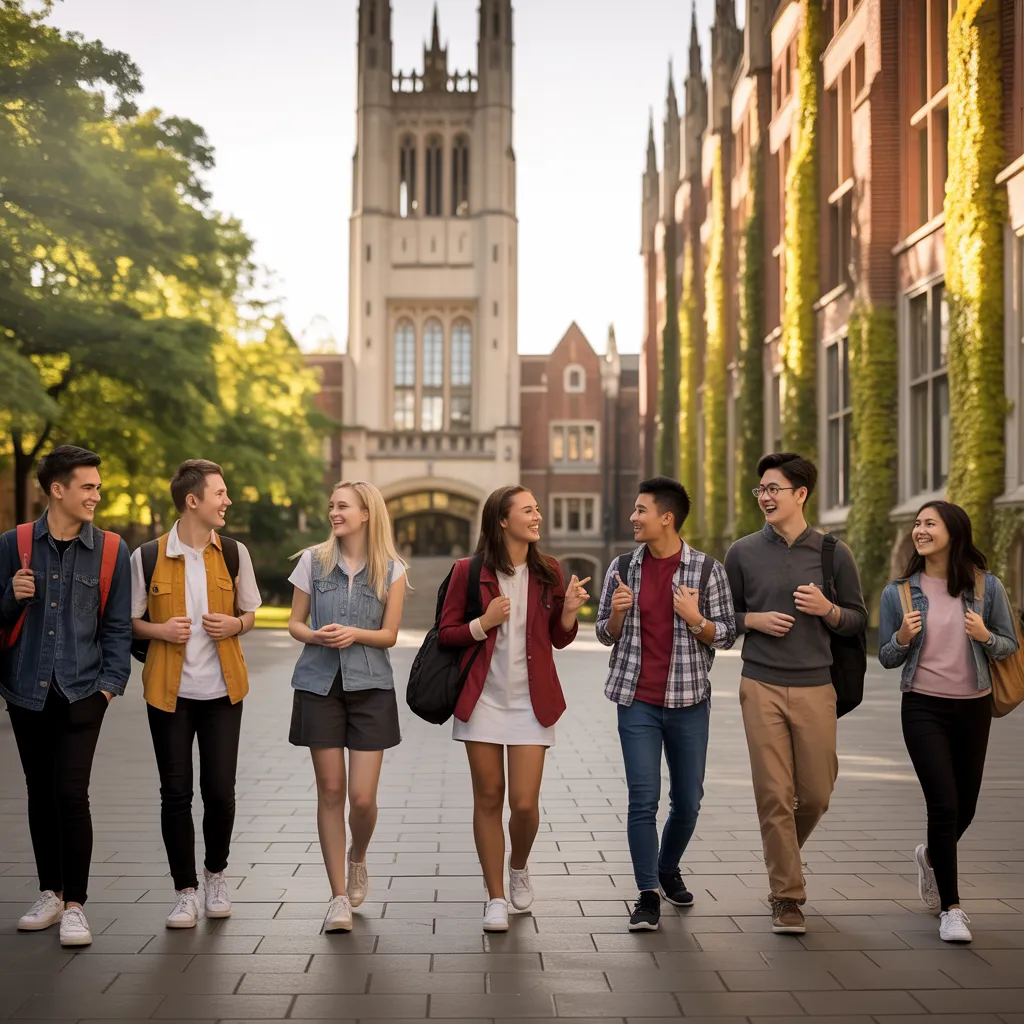
What Important Factors Should You Think About When Picking a Country?
When deciding on a destination for a bachelor's program abroad, what important factors should be taken into account? First, the quality of education is of utmost importance; aspiring students are encouraged to explore academic rankings, faculty qualifications, and the coursework's alignment to their area of study. Additionally, language plays an important role; students must evaluate whether they are confident enough to study in the regional language or if programs in English are available.
Cultural compatibility is another important consideration; comprehending the local society, traditions, and way of life can significantly shape the overall experience. Moreover, safety and political stability represent vital aspects to evaluate; students are encouraged to examine the country's safety standing and existing political landscape. In addition, distance from home and travel possibilities can impact individual preferences and overall contentment. By carefully considering these elements, students can arrive at well-informed choices that correspond with their academic and personal goals.
How to Acquire Funding and Scholarships for an International Study Experience
Acquiring funding and scholarships is vital for students pursuing an undergraduate degree overseas. Multiple scholarship options are available, addressing diverse requirements and eligibility criteria, and knowing these opportunities can significantly improve financial access. Moreover, employing proven application techniques can enhance the probability of success in the challenging scholarship arena.
Kinds Of Scholarships Available
When seeking a undergraduate degree abroad represents an enriching opportunity, understanding the types of scholarships available is essential for managing costs. Various scholarships cater to different needs and circumstances. Merit-based scholarships reward academic excellence, while need-based scholarships assist students with financial challenges. Certain universities provide dedicated scholarships for international students to promote inclusivity. Moreover, government-backed programs such as Fulbright or Chevening deliver significant financial aid for studying internationally. Private organizations and foundations also contribute funding through scholarships aimed at specific fields or regions. In addition, various countries extend scholarships to welcome overseas students, broadening access to tertiary education. Researching these alternatives can considerably lighten the economic challenges associated with studying overseas.
Tips To Help You Succeed With Your Application
Navigating the scholarship application process can significantly improve a student's prospects for receiving funding for overseas education. To enhance their chances, students should start by exploring various scholarships that match their academic goals and personal backgrounds. Crafting a compelling personal statement is crucial; it should effectively communicate goals and ambitions. In addition, securing powerful recommendation letters from academic advisors or faculty members can provide valuable support. Students must also remain fully aware of application deadlines and requirements, making certain all documents are delivered on time. Moreover, highlighting pertinent accomplishments, such as extracurricular activities or professional training, can make an applicant stand out. Finally, maintaining an organized approach allows for careful tracking of applications and follow-ups, ultimately increasing the chances of receiving financial aid.
Understanding Visa Requirements for Your Chosen Country
Grasping visa criteria is vital for students who plan to pursue international education. Different countries have various types of student visas, each with specific criteria and application processes. Navigating these stipulations can significantly affect a student's capacity to engage in international academic pursuits.
Types Of Student Visas
Navigating the realm of student visas is essential for individuals planning a undergraduate degree abroad. Countries around the world have multiple kinds of student visas, with each carrying its own conditions and allowances. For instance, the F-1 visa in the United States allows students to pursue full-time studies, while the Tier 4 visa in the United Kingdom serves a similar purpose. A number of countries, like Canada and Australia, have established visas that enable students to take on part-time work alongside their education. Furthermore, certain nations may have specific requirements based on how long the course runs or whether the educational institution holds proper accreditation. Recognizing these variations is fundamental for prospective students to guarantee compliance and select the right visa for their academic pursuits.
Overview of the Application Process
Working through the application process for a student visa demands careful attention to the specific requirements of the chosen country. Each nation has distinct regulations, documentation, and timelines that must be adhered to. In most cases, applicants are required to gather essential documents such as proof of admission, financial statements, and health insurance. Additionally, some countries may require a language proficiency test or a medical examination.
It is important for prospective students to start the application process early, as visa processing times can fluctuate considerably. Familiarizing oneself with the embassy or consulate's guidelines is also critical, as they offer thorough instructions along with the latest updates on requirements. Ultimately, thorough preparation guarantees a smoother passage to studying abroad.
How to Find a University That Fits Your Aspirations?
How does one go about choosing a university that suits their educational and career objectives? Initially, students ought to determine their precise ambitions, encompassing their chosen areas of study and future career plans. Researching universities with strong programs in those areas is vital. Prospective enrollees can make use of web-based resources, scholarly rankings, and alumni communities to gauge the caliber of academic instruction available.
Furthermore, elements like campus culture, location, and extracurricular opportunities must be evaluated. A welcoming environment can considerably enrich the entire academic journey. Moreover, future students should examine the college's ties to sectors pertaining to their areas of study, as professional networking and internship prospects can prove essential to future career success.
Finally, factoring in monetary factors, including tuition fees and living expenses, is essential. By considering these elements, prospective students can make informed decisions that resonate with their objectives, promising a satisfying and enriching academic pursuit internationally.
Adjusting to Cultural Distinctions in Your New Surroundings
When adjusting to a new culture can be daunting, accepting the distinctions can lead to enriching encounters. People studying in foreign countries often encounter unique customs, linguistic differences, and community behaviors that may appear intimidating in the beginning. To adapt to these cultural differences, it is important to approach new experiences with an unbiased perspective and a willingness to learn. Engaging with local communities, participating in cultural events, and forming bonds with residents can promote greater awareness and respect of the surrounding culture.
In addition, achieving a equilibrium between preserving one's own cultural identity and embracing the new environment is of great importance. Open communication and curiosity can help narrow cultural divides and alleviate feelings of disconnection. As individuals encounter the uncharted, they often cultivate inner resilience and remarkable adaptability, qualities that prove invaluable both in personal and professional spheres. Ultimately, these experiences can expand one's worldview and enhance academic growth, making the pursuit of international education profoundly transformative.
What to Expect While Studying Abroad?
Pursuing studies overseas presents a unique combination of enthusiasm and unfamiliarity, as students frequently discover themselves in foreign scholastic and interpersonal surroundings. They may encounter different pedagogical methods, which might span joint group assignments to independent research projects. Students should be prepared for differing requirements related to involvement and due dates.
In terms of social development, the transition can be profoundly meaningful. Fresh friendships can emerge, but adjusting to different cultural practices and interaction patterns can create certain difficulties. In the beginning, students corresponding information might struggle with loneliness or homesickness, but those challenges commonly lessen as they grow more connected to their new environment.
Moreover, handling routine activities, including getting accustomed to local customs and public transportation, can be overwhelming yet beneficial. Students will likely develop critical thinking abilities and adaptability as they adapt to these changes. At the end of the day, the process nurtures personal growth and a broader worldview, making every obstacle worth overcoming.
How to Maintain a Connection With Home Throughout Your Studies
Keeping in contact with loved ones during foreign studies is essential for emotional well-being and support. Scholars can make use of digital tools to overcome the distance, using video conferencing, chat applications, and social media channels to exchange experiences and keep family and friends informed. Setting up consistent check-in meetings can establish a reassuring schedule, allowing for smoother adjustment to the demands of studying in a foreign location.
Moreover, students may want to joining regional expatriate communities or networks, which can extend a community of support and collective experiences. Dispatching postcards or care packages can also solidify relationships and offer a physical link to home. Immersing themselves in cultural activities that evoke memories of home, such as cooking traditional meals or celebrating holidays, promotes a sense of community. By consistently nurturing these connections, students can enrich their overall study abroad adventure, helping them feel supported and less disconnected during their academic endeavors.
Questions We Often Receive
What Are the Top Countries for International Students?
Several countries are renowned for welcoming international students, including the United States, Canada, the United Kingdom, Australia, and Germany. Such destinations present varied academic programs, unique cultural encounters, and valuable opportunities for both personal and scholarly advancement.
Where Can I Find Student Housing Abroad?
To discover international student lodging, students should investigate campus housing opportunities, online rental platforms, and local property listings. Engaging with fellow students and gathering referrals can additionally offer meaningful perspectives into fitting accommodation choices.
Is It Possible to Work While Studying Abroad?
Yes, a large number of international students are allowed to work while pursuing their education abroad, subject to the applicable visa requirements. Part-time work opportunities may provide useful real-world experience and support general living costs, but balancing employment and academic duties remains vital for academic success.
Which Health Insurance Do I Need for Studying Abroad?
International students usually must have thorough medical insurance that protects against repatriation, hospitalization, and medical emergencies. It is important to verify the host nation's insurance requirements and verify the policy includes coverage for routine care and pre-existing conditions.
How Can I Enhance My Language Abilities Before Departing?
To enhance language abilities prior to departure, one should engage in daily practice through apps, language exchange programs, online courses, and immersive experiences with native speakers. Reading books and watching films in the target language also helps greatly.